
We curate top picks based on quality, price, and user feedback. If you buy through links on our site, we may earn a commission.
The laundry room is often the hardest-working space in the home, yet it frequently becomes a catch-all for clutter, mismatched socks, and empty detergent bottles. An unorganized laundry area doesn’t just look messy—it adds unnecessary friction to your daily chores, turning a simple task into a stressful ordeal. By implementing a few strategic systems, you can transform this utility space into an efficient, streamlined zone that actually makes your laundry flow smoother.
Whether you are working with an expansive mudroom setup or a narrow closet tucked away in a hallway, the goal remains the same: creating a designated home for every supply and establishing a workflow that keeps the chaos at bay. In this guide, we will walk through the essential steps to declutter, categorize, and maintain an organized laundry room that works for you, not against you.
Step-by-Step Instructions
1. Perform a Total Reset
Before you can organize, you must clear the decks. Empty your laundry room entirely. Pull every bottle of detergent, box of dryer sheets, and rogue sock off the shelves and out of the cabinets. Wipe down every surface, including the tops of the machines, the baseboards, and the inside of any drawers. This “blank slate” approach allows you to see the true dimensions of your space and identify any hidden storage potential you might have been ignoring.
2. Sort and Purge
As you sort through your supplies, be ruthless. Check expiration dates on laundry detergents and stain removers. If you have half-empty bottles of products you haven’t used in a year, or items that didn’t work for your clothing, clear them out. Group your items into logical categories: washing supplies, stain treatment, delicates, and cleaning tools. This process helps you realize exactly how much storage space you actually need for the items you use on a weekly basis.
3. Implement Vertical Storage
In many homes, the laundry room is small, making horizontal space a luxury. Look at your walls. If you don’t have shelving above your machines, install the

|
Wall-Mounted Wire Shelving Kit for Vertical Storage
$35.90
|
4. Categorize with Containers
Never let loose bottles sit directly on a shelf if you can help it. Use the

|
Stackable Open-Front Plastic Storage Bins
$27.90
|

|
Large Capacity Foldable Closet Storage Bags
$27.90
|

|
Heavy Duty Collapsible Folding Storage Crates
$29.90
|
5. Create a Sorting System
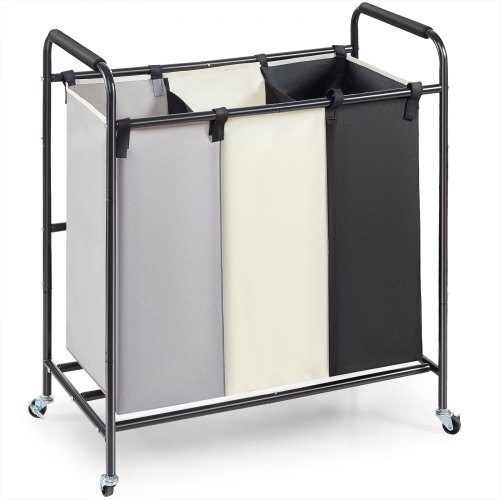
The most common cause of laundry room mess is a pile of clothes on the floor. Invest in the
|
Three-Section Rolling Laundry Sorter Cart
$38.99
|

|
Adjustable Laundry Hamper with Garment Rack
$56.90
|

|
Movable Fabric Hamper with Storage Shelves
$59.99
|
6. Designate a “Lost and Found”
Every laundry room needs a small, dedicated container—a jar or a small basket—for the items that inevitably turn up in pockets: loose change, receipts, keys, or those mysterious buttons. By having a specific spot for these items, you prevent them from migrating onto your folding table or back into the wash, where they can damage your machines.
7. Establish a “Laundry Maintenance” Routine
Organization is a habit, not a one-time event. At the end of each laundry day, spend three minutes resetting the room: wipe down the top of the machines, return any stray bottles to their bins, and ensure the floor is clear. If you keep the “landing zone” clear of non-laundry items, the room will stay functional for years to come.
Frequently Asked Questions
How do I keep my small laundry closet from feeling cluttered?
Focus on vertical space and uniform containers. When you use matching bins and clear labels, the visual noise decreases significantly. Avoid keeping bulky items like large detergent jugs on the floor; instead, utilize wall-mounted shelving or decant them into smaller, attractive dispensers that fit neatly on your shelves.
What is the best way to handle bulk-sized detergent containers?
Bulk containers are a space-killer. If you have the room, keep them on a low, sturdy shelf or a rolling cart that can be tucked away. If you lack space, consider decanting the liquid into smaller, easier-to-handle glass or heavy-duty plastic dispensers that fit neatly on your shelving units.
How often should I deep-clean the laundry room?
Aim for a deep clean every three months. This includes cleaning the lint trap area, wiping down the exterior of the machines, clearing out the “lost and found” bin, and vacuuming behind the machines to remove dust and stray lint, which can be a fire hazard.
Are labels really necessary?
Labels are a game-changer for consistency. When every bin is labeled, other members of your household are much more likely to put items back where they belong. It takes the guesswork out of “where does this go?” and keeps your organizational system intact over the long term.
Conclusion
Keeping a laundry room organized is less about having a perfectly curated space and more about creating a setup that supports your actual habits. By clearing out the non-essentials, utilizing your vertical wall space with sturdy shelving, and keeping a dedicated “home” for every bottle and basket, you’ll find that laundry day becomes significantly less overwhelming. Start with one shelf or one corner this weekend, and build your system from there. With a bit of intentionality, your laundry room will transition from a source of daily frustration into one of the most efficient, peaceful corners of your home.