
Affiliate disclosure: This guide includes affiliate links. If you purchase through these links, we may earn a commission at no extra cost to you.
Creating a functional path doesn't require a professional landscaping crew or a four-figure budget. A successful DIY walkway depends on managing soil drainage, selecting materials that won't shift underfoot, and ensuring the path width accommodates your specific traffic needs.
Gravel and Crushed Stone – Best for high-drainage areas and curved natural paths.
Stepping Stones and Pavers – Best for low-traffic garden accents and firm footing.
Mulch and Wood Chip Paths – Best for woodland settings and ultra-low budgets.
Poured Concrete Pads – Best for high-traffic utility paths and permanent structures.
Brick or Cobblestone Edging – Best for defining existing dirt paths on a budget.
What to Consider Before Buying
No strict-fit products were found for this topic in the current catalog snapshot, so this output avoids forced recommendations.
Drainage and Slope Solid paths like concrete can act as a dam in yards that collect water, whereas gravel or mulch allows moisture to permeate the ground. If your yard has a slope greater than 5%, you will need to "stair-step" the materials or use heavy, jagged stone to prevent the path from washing away during heavy rain.
Maintenance Requirements
- Organic materials: Mulch and wood chips decompose and require refreshing every 12-18 months.
- Stone and gravel: These require a heavy-duty weed barrier to prevent invasive growth.
- Concrete: This is the most "set it and forget it" option but remains prone to cracking in freeze-thaw climates.
Path Width and Traffic A service path for a wheelbarrow needs at least 36 inches of clearance, while a decorative garden path can be as narrow as 18 inches. If you expect two people to walk side-by-side, aim for a minimum 48-inch width to ensure the space feels comfortable rather than cramped.
Sub-Base Preparation The longevity of any walkway depends on the 2-4 inches of material beneath the surface. Skipping the excavation and leveling phase is the most common reason DIY paths become trip hazards; without a proper base, the ground settles unevenly within the first year.
Detailed Breakdown of Each Option
Gravel and Crushed Stone
Gravel is highly forgiving for DIYers because it doesn't require precise leveling or heavy machinery. It is the ideal choice for uneven terrain or areas where water pools, as the gaps between stones provide natural drainage. While cost-effective, gravel is difficult to shovel in the winter, and small stones can easily be tracked into the house. To ensure stability, avoid rounded "pea gravel" on inclines; instead, use "crushed" stone with jagged edges that lock together for a firmer walking surface.
Recommended Products

Gravel Grid (1880 lb)
$36.90
Best for: Best for standard spaces setups that need gravel grid at a practical budget without overbuying.
When to choose: Go with this if you want a working setup this week and still keep spend controlled.
Stepping Stones and Pavers
Stepping stones offer the fastest installation time since you only need to clear the specific spots where the stones sit rather than excavating the entire path. This "floating" look works well for side yards or garden transitions. However, the uneven surface makes it difficult for strollers or wheelchairs to navigate. For a natural walking rhythm, place the center of each stone no more than 20-24 inches apart to avoid awkward, overextended strides.
Recommended Products

7 pcsConcrete Texturing Skin Polyurethane Stamp Stone Tile (24 x 24 in)
$405.90
Best for: Best for standard spaces setups that need stepping stone molds at a practical budget without overbuying.
When to choose: Go with this if you want a working setup this week and still keep spend controlled.
Mulch and Wood Chip Paths
Mulch is the most affordable way to cover long distances, making it a favorite for renters or those with heavily wooded lots. It provides a soft, cushioned surface and naturally suppresses weeds as it settles. The trade-off is durability; the material breaks down into soil over time and needs annual replenishment. To keep the path from looking messy, install a sturdy edge like plastic or metal bender board to prevent the mulch from migrating into your lawn.
Poured Concrete Pads
Poured concrete is the most permanent and stable option for utility areas, such as the route between a driveway and a backyard shed. It is the best choice for high-traffic zones where you need to roll heavy equipment like lawnmowers or trash cans without resistance. While the labor is physically demanding, the result is a smooth, long-lasting surface. Ensure you pour at least 4 inches deep; anything thinner is likely to crack under the weight of a loaded wheelbarrow or during winter frosts.
Recommended Products
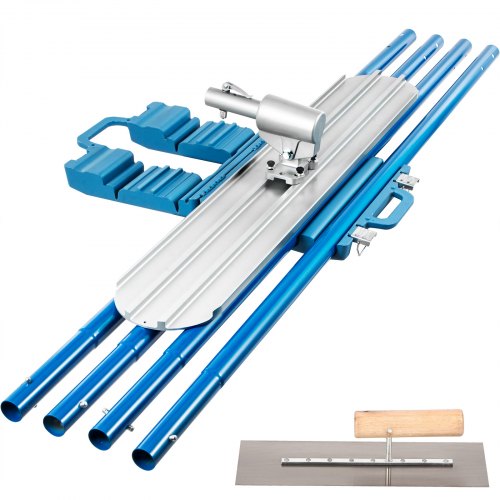
Bull Float Magnesium Concrete Float 48 x 8\"
$169.90
Best for: Best for first-time buyers who need reliable concrete path maker while staying inside a practical budget.
When to choose: Pick this when you need a lean first purchase for standard spaces setups with medium mobility.

6HP Gas-Powered Smooth Concrete Surface Finisher
$1,149.90
Best for: Best for practical setups that need stable concrete path maker with lower replacement risk.
When to choose: Choose this when you want dependable performance without jumping straight to premium.
Brick or Cobblestone Edging
Using heavy-duty edging to define a simple dirt or sand path creates a high-end look without the cost of a full-stone walkway. This approach is best for homeowners who already have a well-worn "desire path" and want to make it look intentional while preventing grass encroachment. While the edges look polished, the center remains natural earth, which can become muddy in the rain. Always measure your linear footage and add 10% for curves and cuts to ensure you have enough material.
Recommended Products

Bendable Garden Edging Border (39 x 4 in)
$40.90
Best for: Best for lighter-use setups where garden edging should work now and stay affordable.
When to choose: Choose this if budget is your main constraint and this step is a real workflow bottleneck.

Flexible Brick-Sized Garden Edging Border with Anchoring Spikes (46.4 x 2.2 in)
$72.90
Best for: Best for steady weekly use where balanced cost and reliability matter for garden edging.
When to choose: Go with this when your target is reliable steady weekly use at a balanced price point.
Which One Should You Choose?
- Choose gravel or crushed stone if your yard has drainage issues and you want a low-cost, permanent solution.
- Opt for stepping stones if you want the easiest installation with minimal digging and a decorative feel.
- Pick poured concrete or pavers for high-traffic utility paths where stability and rolling equipment are priorities.
- Use mulch for long, wooded paths where a natural aesthetic and ultra-low budget are the primary concerns.
Before starting any project that requires digging, always call your local utility line marking service to ensure your excavation won't hit buried pipes or wires.