
We curate top picks based on quality, price, and user feedback. If you buy through links on our site, we may earn a commission.
Transforming your backyard into an outdoor cooking area is one of the most rewarding home improvement projects you can undertake. It extends your living space, keeps the heat of the oven out of the house during the summer months, and creates a natural focal point for gatherings with family and friends. Whether you are envisioning a simple grill station or a more elaborate setup with prep surfaces and storage, the goal is to create a functional, safe, and comfortable environment for cooking under the open sky.
The process involves more than just dragging a barbecue into the corner of the patio. You need to consider traffic flow, fire safety, and the ergonomics of food preparation. In this guide, we will walk you through the essential steps to plan, build, and maintain a dedicated outdoor kitchen space that fits your lifestyle. Setting up an outdoor cooking area is a project that pays dividends in both convenience and enjoyment. Below, we cover everything you need to get started.
Step-by-Step Instructions
1. Planning the Layout
Before you purchase any equipment, you must determine where your cooking area will live. The best locations are close to your indoor kitchen to make shuttling ingredients and supplies easier, but far enough from the house to prevent smoke and heat from entering your living space. Consider the “cooking triangle”: the grill, the prep surface, and a small landing area for finished food. Ensure you have at least 36 inches of clearance behind the grill for safety and enough room for a chef to move comfortably without bumping into guests.
2. Preparing the Foundation
An outdoor kitchen requires a level, stable surface. A grill placed on uneven grass or dirt will eventually sink or tip, which is a major safety hazard. If you are building on a patio, ensure the pavers are properly set. If you are starting from scratch, clear the area, lay down a layer of landscape fabric, and fill it with at least four inches of compacted gravel topped with pavers or a concrete slab. A solid foundation ensures that your appliances sit flat and that you have a non-slip surface to stand on while cooking.
3. Establishing the Cooking Zone
Your grill or stove is the heart of the setup. If you are using a charcoal grill, you need extra space for ash disposal and fuel storage. For gas grills, ensure your connection to the fuel source is secure and tucked away from high-traffic areas. Position your cooking appliance so that the prevailing wind blows smoke away from the eating area and the house.
4. Adding Prep and Storage Surfaces
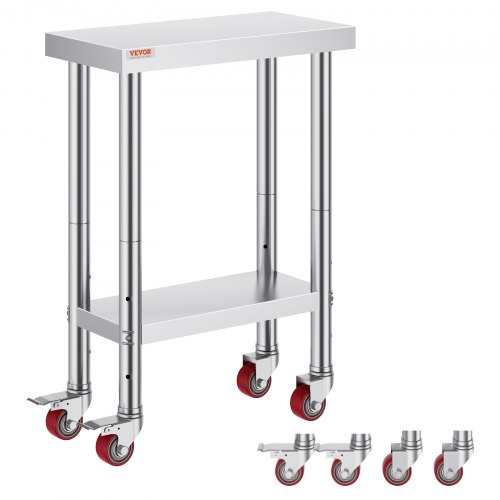
A common mistake in outdoor cooking is failing to provide enough counter space. You need a dedicated area for chopping vegetables, seasoning meats, and staging platters. If you don’t have built-in cabinets, look for weather-resistant outdoor carts.
|
Compact Stainless Steel Food Prep Work Table
$65.90
|
For larger projects, you might consider a more robust unit for your workspace.

|
Heavy-Duty Stainless Steel Kitchen Prep Station
$109.99
|
Additionally, you should include a small area for “dry storage” where you can keep your grilling tools, spices, and cleaning supplies. A vertical shed is excellent for keeping everything protected from the elements.

|
Vertical Waterproof Wood Outdoor Storage Cabinet
$199.99
|
If you have a wall near your cooking station, you can also keep your accessories within reach using a wall-mounted rack.

|
Heavy-Duty Wall-Mounted Garden Tool Organizer
$43.99
|
5. Incorporating Lighting and Safety
You will likely find yourself cooking as the sun sets, so lighting is non-negotiable. Task lighting above the grill and prep surface is essential for checking the doneness of meat. String lights or post-mounted solar lights can provide ambient light for the surrounding area. Finally, safety is paramount. Keep a fire extinguisher specifically rated for grease fires within arm’s reach of the cooking station, and never place your grill directly under low-hanging tree branches or flammable roof structures.
Frequently Asked Questions
How far away from the house should my outdoor kitchen be?
For safety and convenience, aim for at least 3 to 5 feet of clearance from the house walls. This distance provides enough space for ventilation and prevents smoke from drifting into your windows, while still keeping the kitchen close enough to your indoor pantry for easy access to supplies.
What is the best material for outdoor countertops?
Look for materials that can withstand temperature fluctuations and moisture. Stainless steel is the gold standard for durability and hygiene. If you prefer a more aesthetic look, sealed concrete or natural stone like granite are excellent choices, provided they are properly sealed to prevent staining from oils and marinades.
Do I need a permit to set up an outdoor cooking area?
It depends on your local municipality and the complexity of your setup. A simple grill on a patio rarely requires a permit, but if you are installing gas lines, plumbing, or permanent electrical structures, you will likely need to check with your local building department to ensure your project meets safety codes.
How do I keep my outdoor kitchen clean during the off-season?
Invest in high-quality, breathable covers for your grill and prep surfaces to protect them from rain, snow, and UV rays. If you have stainless steel components, apply a light coat of food-grade oil to prevent surface rust during periods of inactivity. Always empty grease traps and clean out ash bins before leaving the kitchen for the season.
Conclusion
Setting up an outdoor cooking area is an investment in your home’s functionality and your own quality of life. By focusing on a solid foundation, adequate prep space, and essential safety measures, you create a backyard destination that is as practical as it is inviting. Remember that you do not need to do everything at once; you can start with a basic grill and a small prep table, slowly upgrading your components as you learn what works best for your cooking style. With the right setup, you will find yourself spending more time outside, enjoying the fresh air and the simple, unmatched pleasure of a home-cooked meal under the open sky.