
We curate top picks based on quality, price, and user feedback. If you buy through links on our site, we may earn a commission.
Laundry is one of those household tasks that feels never-ending, yet most of us approach it with a “toss it all in” mentality. While modern machines are more forgiving than they used to be, the secret to keeping your clothes looking vibrant and lasting longer isn’t just about the detergent you use—it’s about how you organize your laundry before it ever hits the water. Knowing how to sort laundry efficiently transforms a chaotic pile of clothes into a streamlined system that saves time, prevents color bleeding, and stops your favorite shirts from shrinking or wearing out prematurely.
By taking a few extra minutes to group your items correctly, you reduce the risk of fabric damage and ensure your clothes come out cleaner, fresher, and ready to wear. Whether you are managing a household of five or just trying to keep your own wardrobe in good shape, mastering the art of sorting is the first step toward a more efficient laundry routine.
Step-by-Step Instructions
1. Establish a Dedicated Sorting Space
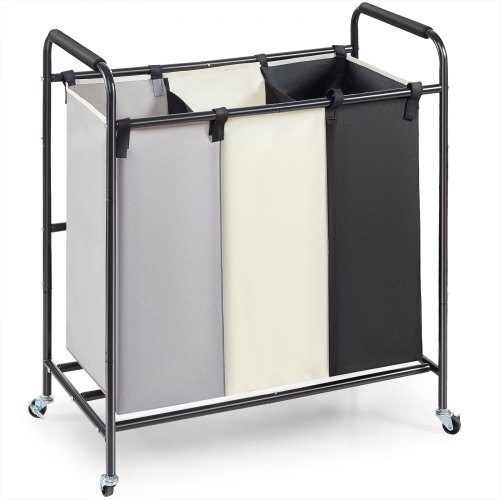
Efficiency begins with your physical environment. If you are sorting clothes on the floor of your bedroom, you are likely missing items or creating more mess than you are solving. Ideally, you want a space where you can spread out. A multi-compartment hamper is the gold standard here. By having three or four bins clearly labeled—”Whites,” “Lights,” “Darks,” and “Delicates”—you perform the sorting task as you take your clothes off, rather than facing a massive mountain of laundry at the end of the week. To simplify this, use
|
Three-Section Rolling Laundry Sorter Cart
$38.99
|
2. Group by Color Intensity
The most fundamental rule of laundry is separating colors to prevent dye transfer. Whites should always be washed separately to keep them bright. If you wash a white cotton tee with a brand-new pair of dark denim jeans, you’ll likely end up with a dull, dingy gray garment. If you need extra space to organize your sorted piles or hang-dry items as you process your laundry,

|
Rolling Laundry Hamper with Hanging Garment Rack
$56.90
|
3. Sort by Fabric Weight and Texture
Sorting by color is half the battle; the other half is sorting by fabric type. Heavy fabrics like denim, towels, and thick hoodies have a high friction level. If you wash them with lightweight synthetics or delicate cottons, the heavy items will act like sandpaper, causing pills and tears in the lighter garments. Furthermore, heavy items take longer to dry. By keeping similar weights together, you ensure that your drying cycles are efficient and that you aren’t over-drying your lighter clothes while waiting for the heavy towels to finish.
4. Separate Heavily Soiled Items
If you have sportswear covered in mud or kitchen towels stained with grease, keep them separate from your everyday wardrobe. Heavily soiled items often require a different water temperature or a pre-treatment cycle. Washing a muddy pair of hiking socks with your business casual shirts can lead to cross-contamination of dirt and odors. Always address these items individually, either by soaking them or running them through a heavy-duty cycle separately.
5. Utilize Protective Accessories
For items that are prone to snagging—like lace, beaded garments, or bras with hooks—always use a mesh laundry bag. These bags act as a barrier, preventing the metal hooks from catching on other fabrics or the lace from tearing against the agitator of the machine. Even if you have sorted your colors and weights correctly, a stray hook can ruin an entire load of laundry.
6. The Final Inspection
Before you toss a load into the machine, perform a quick quality check. Check pockets for tissues, coins, or pens, which can ruin a whole load. Turn shirts with graphics or embroidery inside out to protect the designs. Unbutton shirts so the stress isn’t placed on the buttons during the spin cycle. This step takes seconds but saves you from the frustration of finding a shredded tissue embedded in your clean clothes.
Frequently Asked Questions
Why is it important to wash towels separately from clothing?
Towels are heavy and highly absorbent. They release a lot of lint, which can stick to your clothing, and they require a more aggressive wash cycle than delicate garments. Washing them together usually leads to clothes that look fuzzy or worn out much faster.
Can I wash all my “lights” together, even if they are different colors?
Yes, generally speaking. “Lights” refer to any pastel or light-toned items. As long as the items are not brand new and prone to bleeding dye, they can safely be washed together. If you are unsure about a specific garment, a quick color-fastness test with a damp cloth will tell you if it might bleed.
How do I handle clothes that have both light and dark patterns?
When in doubt, sort by the darkest color in the garment. If a shirt is white with a navy blue stripe, it should be treated as a dark or a medium-tone load. Washing it with strictly white items is a recipe for the navy dye to bleed into the white background over time.
Does water temperature matter as much as color sorting?
Yes, it matters significantly. While colors should be sorted to prevent bleeding, temperature is about hygiene and fabric care. Hot water is best for whites and heavily soiled linens to sanitize them, while cold water is better for darks and delicates to prevent fading and shrinkage. Sorting your laundry helps you set the right temperature for the right load.
Conclusion
Learning how to sort laundry efficiently is a small investment of time that pays off in the longevity of your wardrobe. By grouping items by color, weight, and soil level, you eliminate the guesswork that leads to shrunken sweaters or faded jeans. Utilizing tools like a rolling sorter or a dedicated rack can turn a chore into a seamless part of your weekly routine. Stick to these sorting practices, and you will find that your clothes stay looking newer for much longer. Happy laundering!